Who is this sequence for?
Almost all of today’s significant products and services are researched and/or purchased online. The fastest way to reach your customers is to have an online presence, but what that ideal presence looks like today can vary greatly.
Everyone and their dog has a website. However, websites are very good at following the great Sturgeon’s Law: “Ninety percent of everything is crap“. This has resulted in millions upon millions of bad websites.
Some are just irredeemable and need a complete rework but others might be good in some aspects but be ruined by other aspects. And website owners are notoriously bad at judging whether their websites are terrible.
Is your website beyond repair? Likely not, but if you can answer yes to any of these questions then you probably need this sequence.
Who are we?
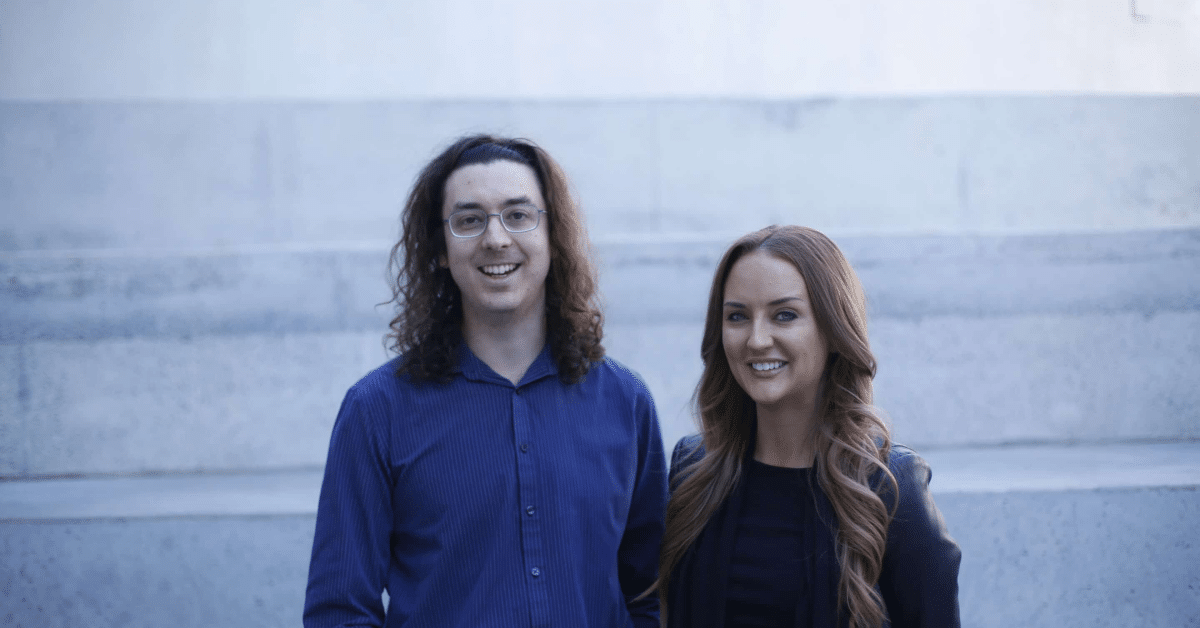
Aisling Wallace is a Director and Co-founder of Australian digital analytics and advertising agency, Tactic Lab. Since 2009, Aisling has worked on both the client and agency side of national and international organisations, helping build and/or improve their own digital analytics capabilities for better outcomes. Aisling holds an MBA, BCommerce, as well as certifications across Google and Facebook advertising platforms.
Michael Fridman is also a Director and Co-founder of Tactic Lab. Michael has a programming background with a BSc/BA but escaped the dev world to work in digital marketing in 2006. He has helped many startups including some household names like Menulog, and has presented ads and analytics training to in-house teams, but also directly to advertising agencies across Australia as part of the Google Partner program. Michael’s focus is advertising, SEO/websites and anything data or automation-related.
Why should you listen to us?
You shouldn’t without verifying things for yourself! However in our combined 27 years of experience we’ve seen every type of website failure out there. We’ve also experienced the difficulty a lot of organisations have in finding a balance between website quality and their budget/time.
Our local and international client websites have spanned most industries and business models including:
- B2B
- Lead Gen
- Rewards Programs
- Entertainment
- B2C
- Content Marketing/Blogs
- F&B Bookings
- Learning Platforms
- Ecommerce
- Subscriptions
- Tourism Bookings
- Directories
This sequence is meant to be a top-level crash course about the items that you may want to improve about your website. It’s a starting point, not the final word. Whether you’re running a company, a non profit, promoting your own professional services or are in a creative industry, we hope you find this sequence useful.
What are the benefits of following this advice?
The main benefit is that your website will get more visibility, more visitors and these people will get what they need out of your website quickly and a higher percentage of them will convert and become your customers. The more competitive your industry the more important this becomes. For example, if your website is terrible and as a result just 2% of your website’s visitors convert, it’s not unreasonable for this number to become much higher (eg. 5%) after website issues are fixed. But this represents a 150% increase in customers!
What are the risks of not following this advice?
We hate seeing scare tactics used as clickbait, will do it here. Even for basic websites the stakes are higher than ever before. This applies to both the risk of getting things wrong as well as the reward for getting things right.
Let’s say you’re a small business owner with a small website. You might think “it’s not great but what’s the worst that could happen”? If your security is lax and someone hacks it and gets to your customers’ data, your business may potentially be liable for their financial losses (see chapter 7). It’s an extreme example but in the unlikely event it happens, it could be enough to ruin a business.
The much more likely scenario though is loss of business opportunity through a poor website. Our customers have less time and more distractions than ever before. If a website is slow, hard to navigate, or fails to communicate value and safety, within seconds customers move on.